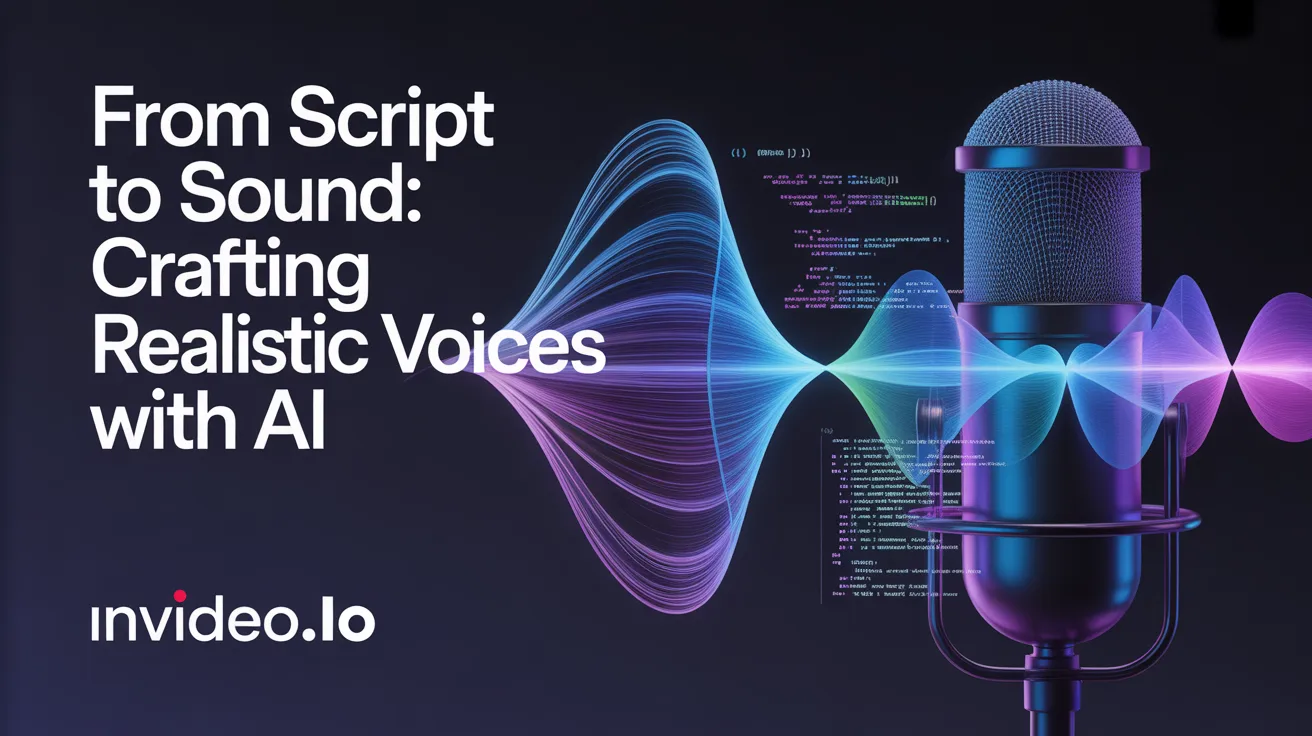
The art of storytelling has evolved dramatically over the past few years, thanks to the power of artificial intelligence. What once required professional voice actors, expensive recording setups, and days of editing can now be accomplished with just a few clicks. AI-driven tools are making it possible for creators to generate realistic, expressive voices directly from written scripts — transforming how we bring ideas to life in everything from short films to explainer videos.
In this blog, we’ll explore how AI is turning written words into captivating, lifelike voices, the technology behind it, and why it’s becoming an essential part of modern content creation.
The Rise of AI-Generated Voices
Artificial intelligence has redefined the boundaries of creativity. Text-to-speech (TTS) and voice synthesis technologies have made major strides, allowing machines to replicate human speech patterns, tone, and emotion with uncanny accuracy. What once sounded robotic and flat now feels natural and expressive — capable of conveying subtle emotions like excitement, sorrow, or curiosity.
This evolution is a result of neural network advancements and deep learning models that study vast amounts of real human voice data. By understanding the rhythm, pauses, and intonations that make speech sound human, AI can reproduce those nuances almost perfectly.
As a result, AI voices are no longer just tools for accessibility or narration; they’re now being used by filmmakers, marketers, educators, and podcasters who want high-quality audio without the time or cost of recording voiceovers.
From Text to Emotion: How AI Turns Scripts into Sound
The process begins with something simple — a script. The user writes out the dialogue, narration, or story, and then the AI system converts it into speech. But unlike early TTS systems that just “read” words aloud, modern AI tools interpret them.
Deep learning models analyze linguistic cues, punctuation, and even emotional context to deliver speech that sounds genuinely human. Some tools even allow users to specify tone, gender, accent, or energy level, giving complete creative control over how the final output feels.
This level of realism is powered by sophisticated machine learning frameworks that mimic the neural processes involved in human speech. In essence, AI doesn’t just speak; it performs.
And when platforms like invideo integrate a character voice generator into their creative suites, it opens up even more possibilities for creators. Instead of hiring multiple voice actors, users can assign different AI-generated voices to various characters in a video — saving time while keeping the production quality high.
Why Realistic AI Voices Are a Game-Changer for Creators
Whether you’re producing an educational video, an animated short, or a marketing campaign, realistic voiceovers make a massive difference. A believable voice adds emotional depth, helps convey personality, and builds a stronger connection with the audience.
Here’s why AI-generated voices are revolutionizing content creation:
1. Speed and Efficiency
AI can produce natural-sounding voiceovers in minutes. You can test multiple tones, languages, or character styles without needing to re-record. This rapid turnaround is ideal for creators working under tight deadlines.
2. Cost-Effectiveness
Hiring professional voice talent can be expensive — especially if you need multiple voices or languages. AI voices reduce production costs significantly while maintaining high quality.
3. Consistency
AI voices don’t fluctuate in tone or mood. You can recreate the same voice for future projects, ensuring brand or character consistency over time.
4. Accessibility and Inclusivity
AI-powered voices make content more accessible by offering multilingual narration and inclusive tones. They help global audiences connect with content in their preferred languages and accents.
Behind the Scenes: The Technology That Makes It Possible
AI voice generation relies heavily on three core technologies — Natural Language Processing (NLP), Deep Learning, and Speech Synthesis.
Natural Language Processing (NLP)
NLP enables AI to understand the structure and meaning of written text. It helps identify context, emotions, and intent behind words so the generated voice sounds natural and contextually appropriate.
Deep Learning
Neural networks analyze thousands of hours of human speech to understand pronunciation, rhythm, and emotion. These networks continuously learn, making each version of the AI voice more realistic than the last.
Speech Synthesis
This is the final stage where text is converted into sound waves. Advanced models like WaveNet and Tacotron 2 use neural vocoders to produce audio that closely mimics human vocal cords, resulting in fluid and expressive speech.
The Human Touch: Balancing Authenticity and Automation
Even though AI has reached impressive levels of realism, the human touch remains essential. Voice is more than just sound; it’s emotion, timing, and storytelling. AI can replicate these to a large extent, but a creator’s direction still matters.
For instance, the way you punctuate your script, emphasize certain words, or structure dialogue influences how the AI interprets tone. Some creators even mix AI voices with real ones, blending automation with authenticity for a dynamic result.
This balance between creativity and technology is what makes AI voice generation so exciting — it doesn’t replace humans; it enhances what we can create.
Bringing Stories to Life with AI Voices
Imagine you’re creating a short animated video. You’ve written a funny, engaging script, but you don’t have access to professional voice talent. With AI, you can assign a unique voice to each character, adjust tones for different emotions, and experiment with accents or styles — all from your desktop.
That’s the power of today’s voice synthesis tools. They allow creators to focus on storytelling rather than logistics. Whether it’s a children’s storybook, an e-learning course, or a video game, AI voices can make your project sound professional and engaging.
Expanding Creative Possibilities Through AI Video Integration
Voice generation doesn’t exist in isolation. It’s part of a larger movement in AI-driven creativity that also includes video editing, animation, and sound design.
Modern AI video apps are integrating realistic voice synthesis directly into their workflows. This means you can write a script, generate matching voices, and sync them with visuals automatically — all within the same platform. It’s a level of efficiency that empowers solo creators and small teams to compete with big studios.
By combining voice generation with AI-powered visuals, creators can produce professional-grade content faster than ever before. The result? More time for creativity, experimentation, and storytelling.
Applications of AI Voice Generation Across Industries
AI-generated voices are making waves across various sectors, each benefiting in unique ways:
1. Education and E-Learning
Educators use AI voices to narrate lessons, audiobooks, and training materials. The technology allows for multilingual support, making learning more inclusive and accessible.
2. Entertainment and Animation
From indie animators to game developers, creators use AI voices to give life to virtual characters, background narrations, or even entire storylines.
3. Marketing and Advertising
Brands employ AI voices to personalize ads, explainer videos, and social media content. The ability to quickly produce multiple voiceovers helps test different campaign tones and messaging styles.
4. Accessibility Solutions
AI voices help make digital content more inclusive for people with visual impairments or reading difficulties by turning written content into spoken audio.
Ethical Considerations: The Voice Behind the Voice
As with any AI-driven innovation, there are ethical aspects to consider. Voice cloning and synthesis raise questions about consent, identity, and authenticity. It’s crucial that creators use voice technology responsibly — obtaining permissions and respecting privacy.
Some AI systems even allow users to create synthetic voices from their own recordings, giving full ownership and control over how their voice data is used. Transparency, in this sense, remains key to building trust between creators, audiences, and technology providers.
The Future of Voice: Where AI Is Headed Next
AI voice technology is evolving rapidly. We’re moving toward a future where voices are not just realistic but adaptive. These voices will adjust in real time based on audience feedback, emotion detection, or contextual cues within a story.
Soon, creators might be able to direct AI voices like real actors — instructing them to “sound more hopeful” or “add tension here” — and get instant results. The integration of emotion-driven AI, real-time editing, and contextual learning will blur the line between machine-generated and human-delivered performances.
Conclusion: A New Era of Audio Storytelling
From script to sound, AI is reshaping how we tell stories, share knowledge, and express creativity. What once required technical expertise and hefty budgets is now within reach for anyone with a script and a vision.
As AI continues to refine its ability to mimic and adapt human speech, creators have more freedom than ever before — to experiment, to personalize, and to bring their ideas to life.
The future of storytelling isn’t about replacing human voices; it’s about amplifying them through innovation. With AI voice generation, every creator has the power to turn written words into rich, emotional soundscapes — one voice at a time.